Glutathione
Product Name: Glutathione Alternative Names: GSH, Reduced Glutathione, L-γ-Glutamyl-L-Cysteinyl-Glycine Research Category: Antioxidant / Cellular Redox Research CAS Number: 70-18-8 Molecular Formula: C10H17N3O6S Molecular Weight: Approximately 307.32 g/mol Compound Type: Naturally Occurring Tripeptide Peptide Composition: Glutamate / Cysteine / Glycine Research Interest: Antioxidant defense, cellular redox balance, oxidative stress, detoxification pathways, glutathione metabolism, and cellular protection. Description
Glutathione is a naturally occurring tripeptide composed of glutamate, cysteine, and glycine. It is widely present in cells and plays an important role in maintaining cellular redox balance. Glutathione is extensively studied in antioxidant biology, oxidative-stress research, cellular metabolism, and detoxification-related pathways. Mechanism of Research
Reduced glutathione (GSH) participates in cellular antioxidant systems by donating reducing equivalents and helping neutralize reactive oxygen species. During these reactions, GSH can be converted to oxidized glutathione (GSSG) and subsequently regenerated through glutathione reductase-dependent pathways. Research Applications
Research involving Glutathione includes oxidative-stress biology, antioxidant enzyme systems, cellular redox regulation, xenobiotic metabolism, glutathione conjugation, mitochondrial biology, and mechanisms involved in cellular protection and homeostasis. Storage
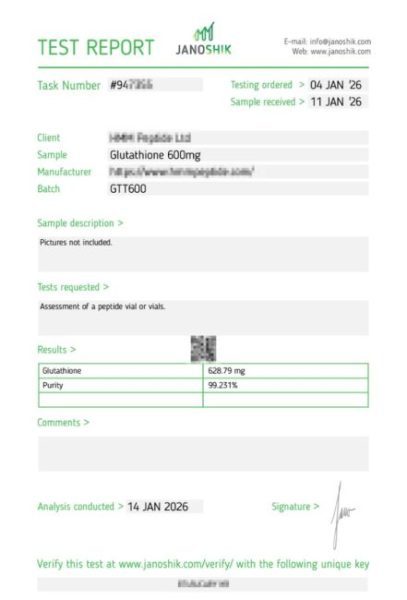
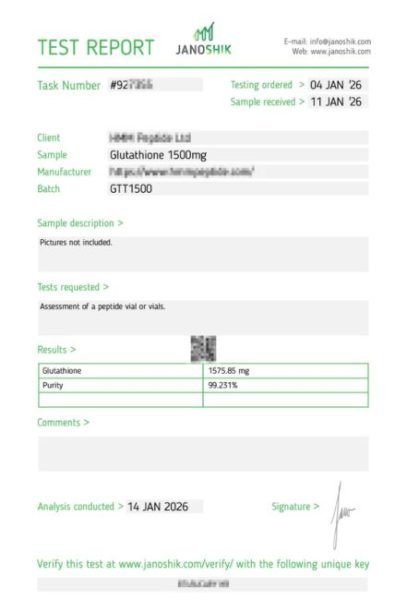
Storage requirements depend on the chemical form, formulation, and supplier. Research material should be stored according to the accompanying certificate of analysis (COA), product specification sheet, and manufacturer instructions. Research Use Disclaimer
This information is provided for scientific and research reference purposes only and should not be interpreted as medical, prescribing, or dosing advice.